Buying Used Lifting Equipment: The LOLER Paperwork to Ask For
When you buy a used telehandler, forklift, loading shovel or lorry-mounted crane, the machine is only half the deal. The other half is the paperwork that shows it has been thoroughly examined and is safe to lift with. Get it wrong and you could pay good money for a machine you cannot legally put to work on Monday morning.
This guide explains what LOLER requires, what a proper report of thorough examination should contain, when you will need a fresh examination after you buy, and what to ask the seller before you hand over any money. It covers Great Britain, Northern Ireland and the Republic of Ireland.
What LOLER is and which machines it covers
LOLER is the Lifting Operations and Lifting Equipment Regulations 1998. In Northern Ireland the equivalent rules are the Lifting Operations and Lifting Equipment Regulations (Northern Ireland) 1999. They apply to equipment used at work to lift or lower loads.
On a farm, yard or building site that usually includes:
- telehandlers and forklifts
- loading shovels and tractor front loaders used for lifting
- excavators when they are used to lift loads (for example on chains from a lifting point)
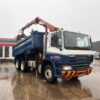
- lorry-mounted cranes, hiabs and hook loaders
- cherry pickers and other platforms that lift people
- chains, slings, shackles and other lifting accessories
If you are buying the machine to use in a business, LOLER will almost certainly apply to it. Our earlier guide to LOLER inspections for machine owners covers the ongoing side. This one is about what to check when you buy.
How often a thorough examination is needed
Unless a competent person has drawn up a written examination scheme with different intervals, the HSE says thorough examinations should take place at least:
- every 6 months for equipment used to lift people, such as a telehandler with a man basket or a cherry picker
- every 6 months for lifting accessories such as chains and slings
- every 12 months for all other lifting equipment, such as a telehandler or forklift used only for goods
A thorough examination is also needed after exceptional circumstances that could affect safety, such as damage, a major repair or modification, or a long spell out of use. That matters with used machines, because many have sat in a yard for months before sale.
In the Republic of Ireland the rules sit in the Safety, Health and Welfare at Work (General Application) Regulations 2007. Schedule 1 lists forklifts and telehandlers at 12 months, or 6 months if used to lift people, and the Health and Safety Authority publishes a sample report form known as the GA1.
The rule that matters most to buyers
Regulation 9(4) of LOLER says an employer must not use lifting equipment obtained from another business unless it comes with physical evidence that its last thorough examination has been carried out. In plain terms, if you buy a used telehandler from a dealer or another firm, you should get a copy of its latest report of thorough examination with it.
That report is often called a “LOLER certificate”. Strictly it is a report rather than a certificate, but it is the document you want. If the seller cannot produce one, assume you will need to pay for a thorough examination before the machine goes to work.
What a proper report of thorough examination should show
Schedule 1 of LOLER sets out what the report must contain. The HSE says there is no set form any more, as long as all the required information is included. When the seller hands you a report, check it shows:
- the name and address of the business it was done for, and where it was done
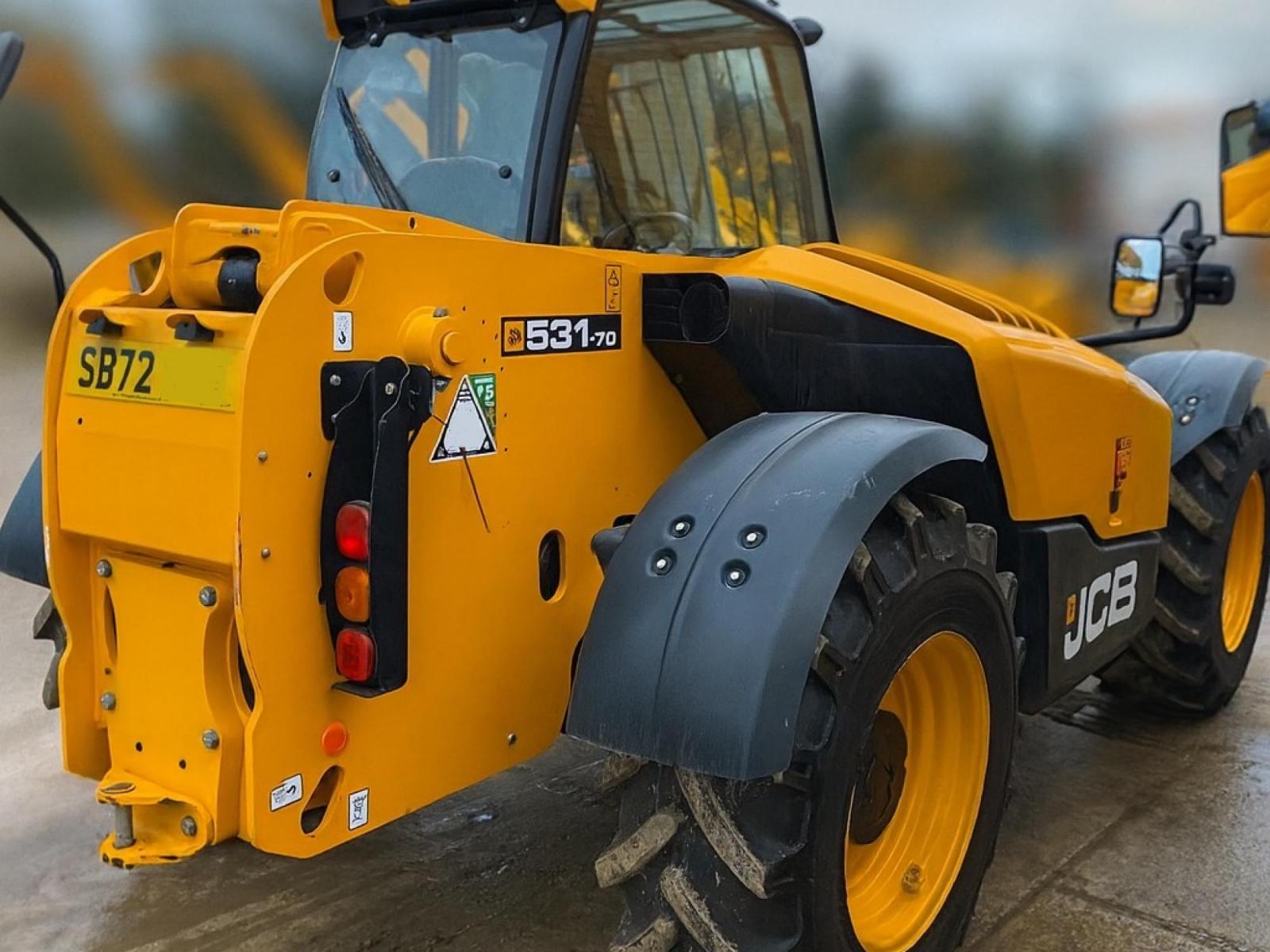
- details that identify the machine, including the serial number and, where known, the date of manufacture
- the date of the last thorough examination
- the safe working load, or the load for the configuration it was examined in
- whether it was a first examination, a periodic one or one after exceptional circumstances
- any defects that are, or could become, a danger to people, and any repairs needed
- the date by which the next thorough examination is due
- the name, address and qualifications of the person who made the report, and the date of the report
Match the serial number on the report to the plate on the chassis. A report for a different machine, or one with the serial number left blank, is worth nothing to you.
Five questions to ask the seller
1. When was the last thorough examination, and when is the next one due?
A report that runs out in a fortnight is not a reason to walk away, but it is a cost to factor into the price.
2. Did the report list any defects?
Ask whether every defect has been put right and whether there is an invoice or a follow-up report to prove it.
3. Has the machine been used to lift people?
If it has worked with a man basket or platform, check it has been on 6-monthly examinations and that the basket and any fittings were covered.
4. Has it been stood, damaged or modified since?
Any of these can trigger the need for a fresh examination, whatever the date on the last report.
5. Are the attachments covered?
Forks, buckets, jibs and hooks can affect the safe working load. Check which attachments were present at the examination and that the load chart in the cab matches what you are buying.
Buying from a dealer, a private seller or an auction
Many established dealers sell telehandlers and forklifts with a fresh thorough examination already done, which saves you a job on delivery. Private and auction sales are more mixed. Some come with full history, others are sold as seen with nothing at all.
Neither is wrong, but the price should reflect what you are getting. If there is no current report, get a quote from an inspector before you commit. Firms that carry out LOLER and PUWER inspections are listed in our LOLER and safety inspections section. For wider checks on payment and paperwork, see our tips for buying used machinery online.
A report is not a full condition check
A thorough examination looks at the safety of the lifting function. It does not tell you whether the engine, transmission or axles are healthy, or how many hours the machine really has left. You still need to inspect it properly. Our guides to buying a used telehandler and buying a used JCB Loadall walk through the mechanical checks.
Frequently asked questions
Does a LOLER certificate transfer to the new owner?
The report stays with the machine and is the evidence the law asks for when equipment comes from another business. It remains valid until the next examination date, unless damage, modification or a long period out of use means a new examination is needed sooner.
How often does a used telehandler need a thorough examination?
At least every 12 months, or every 6 months if it is used to lift people, unless a competent person has set different intervals in a written examination scheme.
Do I need a LOLER report for a machine I am exporting?
LOLER applies to equipment used at work in Great Britain, and the Northern Ireland and Irish rules work in a similar way. Overseas rules differ, but a recent report still helps the buyer show the machine’s condition and identity.
Is a service the same as a thorough examination?
No. A service keeps the machine running. A thorough examination is a separate, systematic safety check by a competent person, with a written report.
Find a used telehandler or forklift
Browse used telehandlers for sale and used forklifts for sale from UK and Irish dealers on Plant And Tractor Trader, contact the seller direct and pay no buyer fees. Can’t see the right machine? Set up free stock alerts.
Selling lifting equipment? Book a single listing for £150 + VAT for 8 weeks, or dealers can list unlimited stock for £100 + VAT a month or £500 + VAT for 12 months. See unlimited listings, or call or WhatsApp Glyn on 07470 093663.
Sources: HSE, “Thorough examination of lifting equipment”; The Lifting Operations and Lifting Equipment Regulations 1998, regulation 9 and Schedule 1 (legislation.gov.uk); Safety, Health and Welfare at Work (General Application) Regulations 2007, Schedule 1 (Ireland). This guide is general information, not legal advice.
Popular searches: used JCB 3CX, JCB 531-70, JCB 540 Loadall, John Deere 6R & 6M, DAF LF, Volvo FH. See all models.