The John Deere 6R and 6M are two of the most popular mid-size tractor ranges on UK and Irish farms, and they turn up on Plant And Tractor Trader every week from dealers and private sellers. Below are the John Deere 6-series tractors listed right now, followed by a short guide to the differences between the two ranges and what to look at before you buy.
Current stock
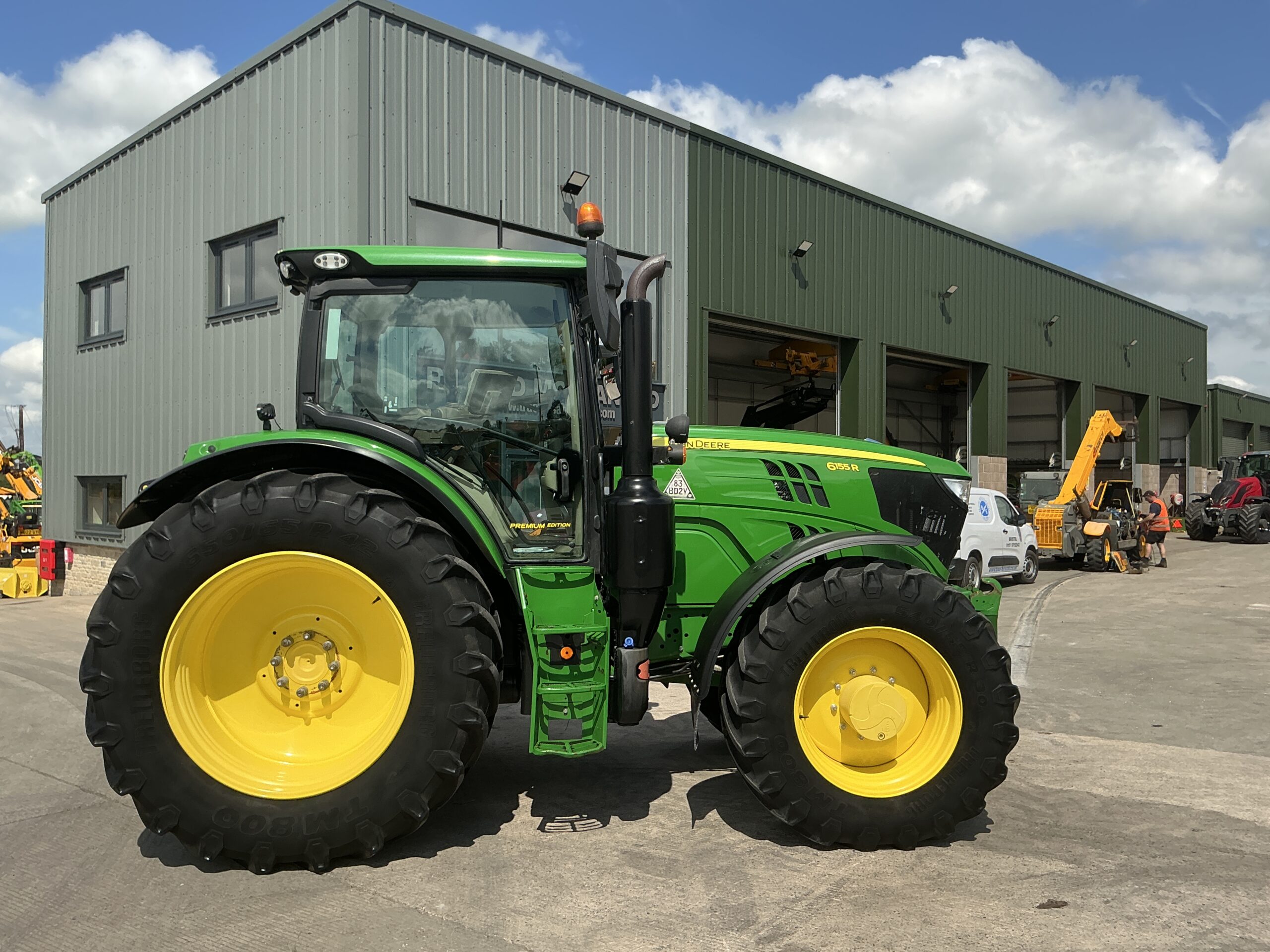
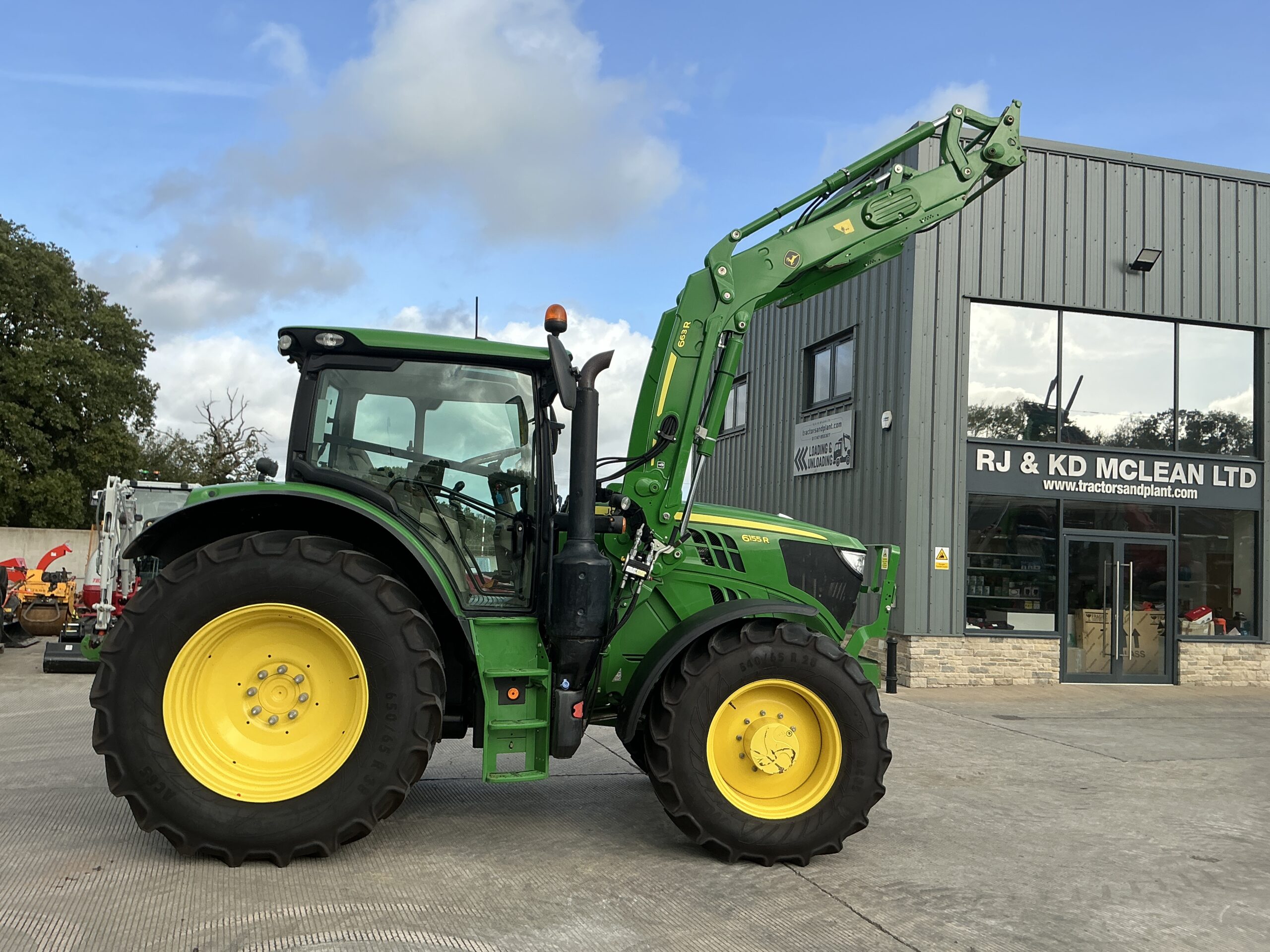
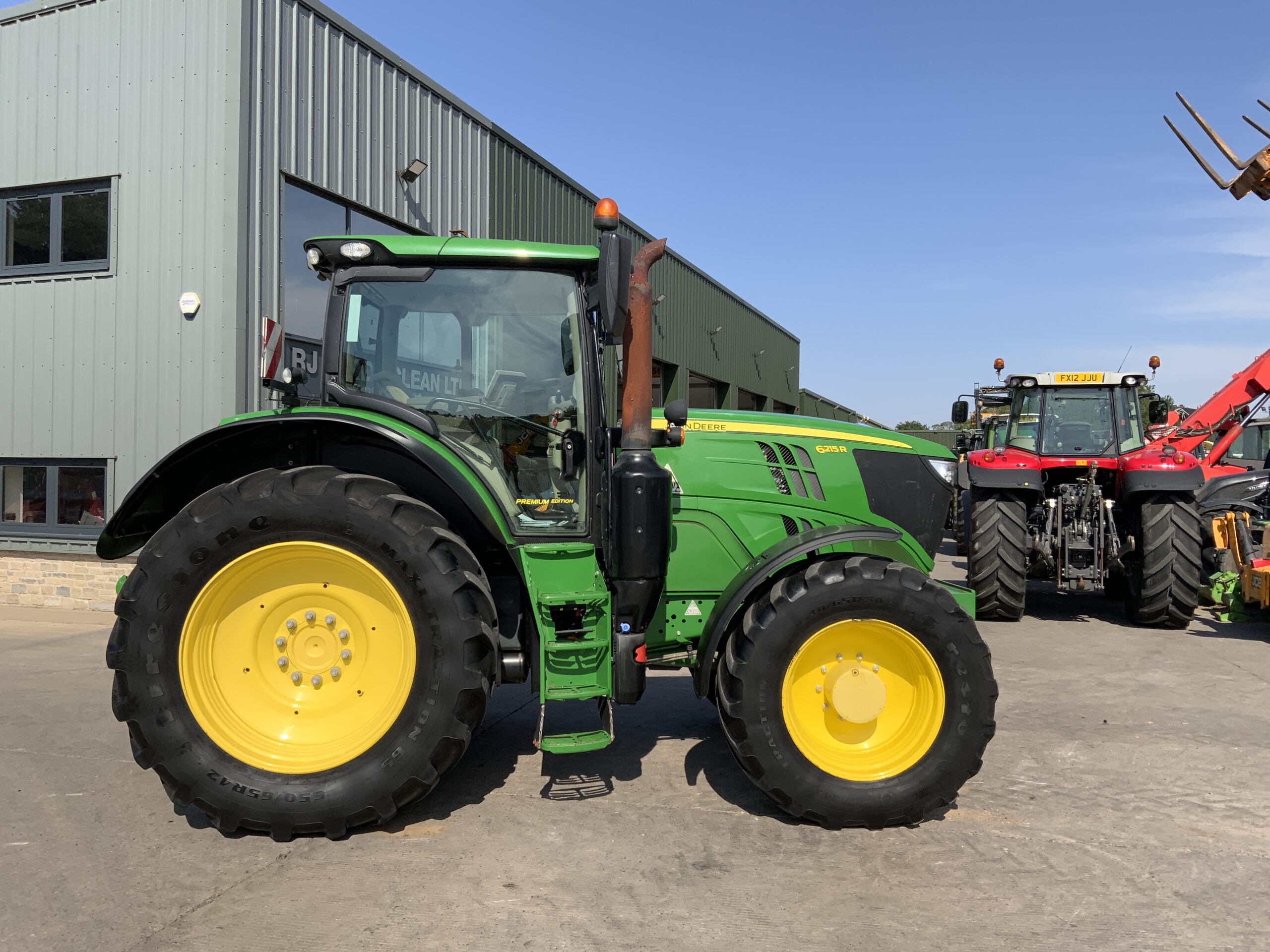

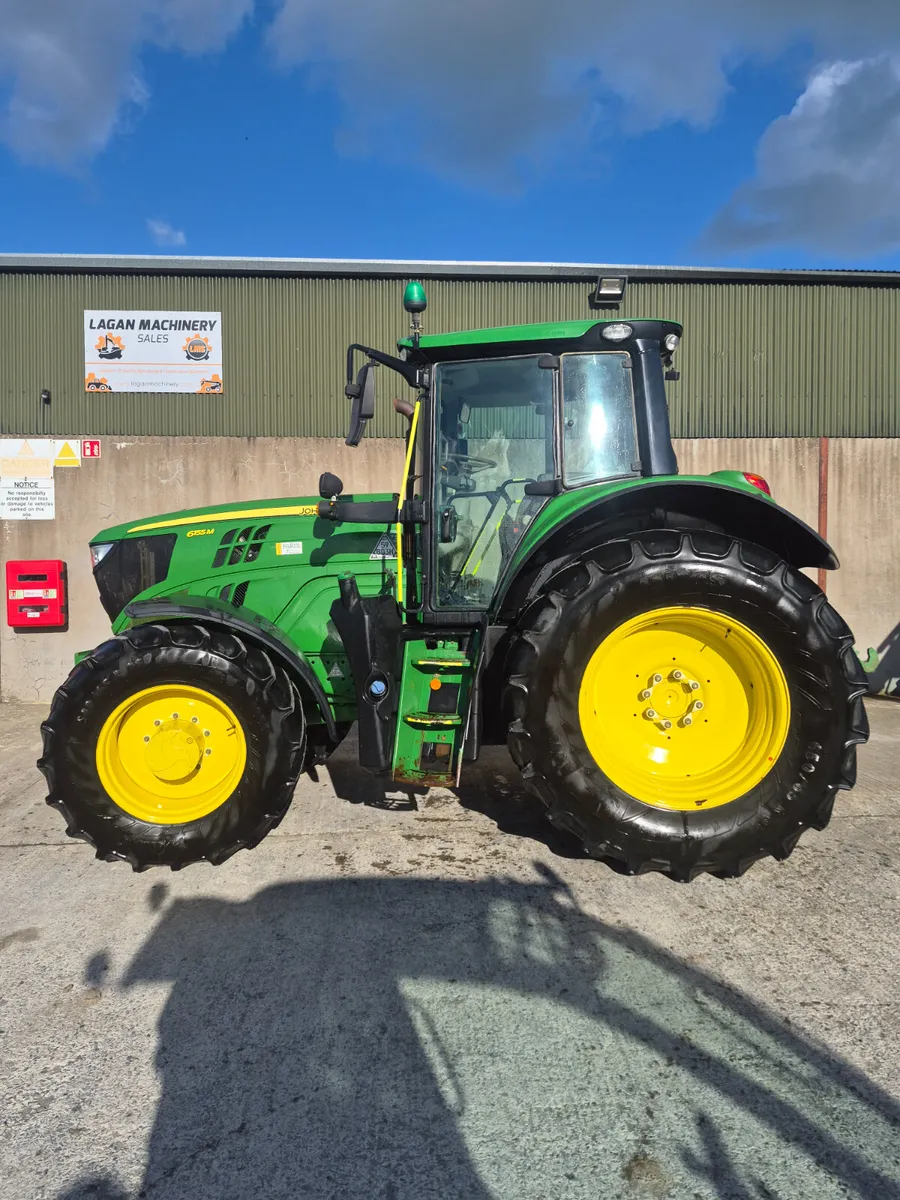
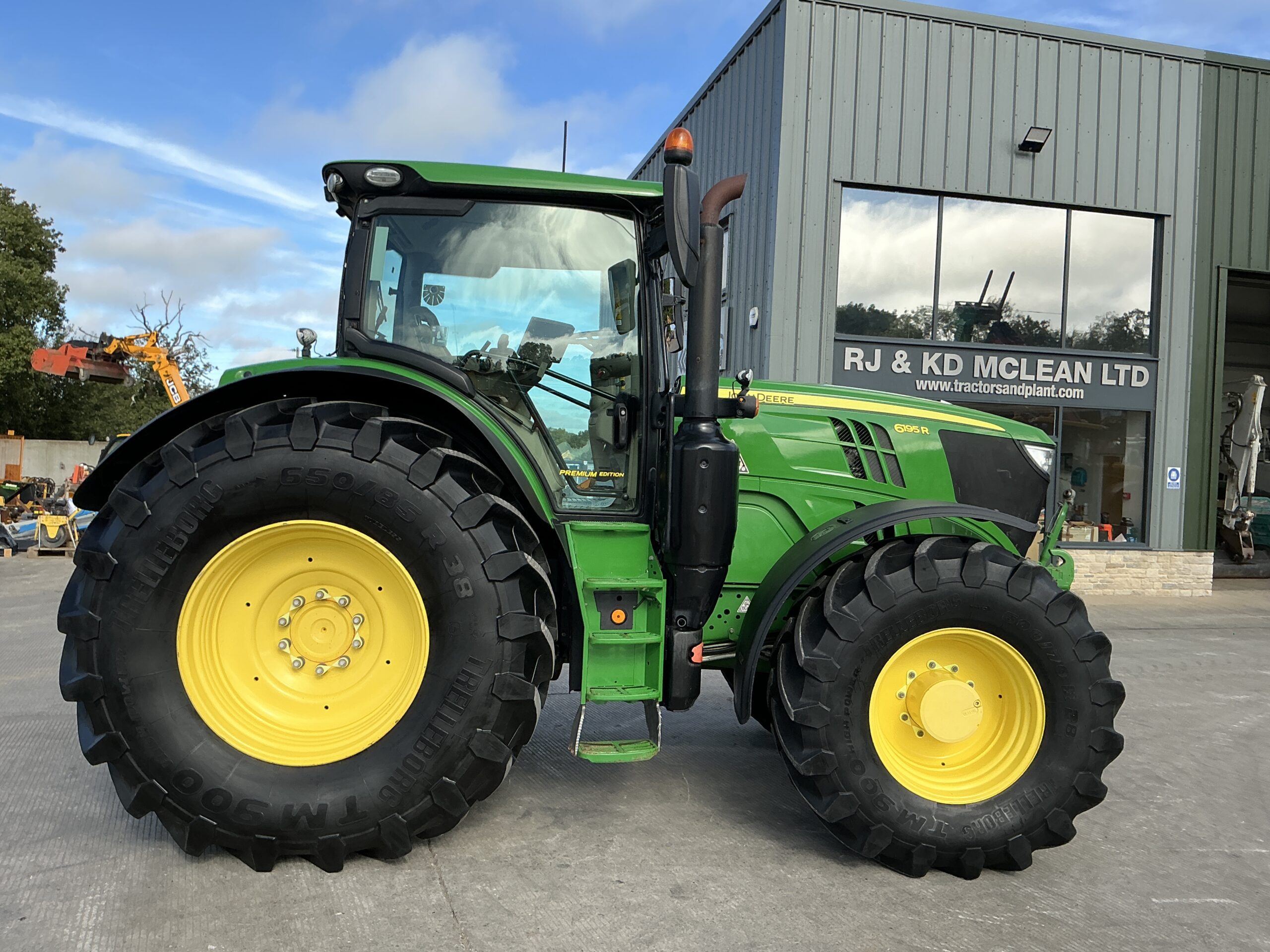
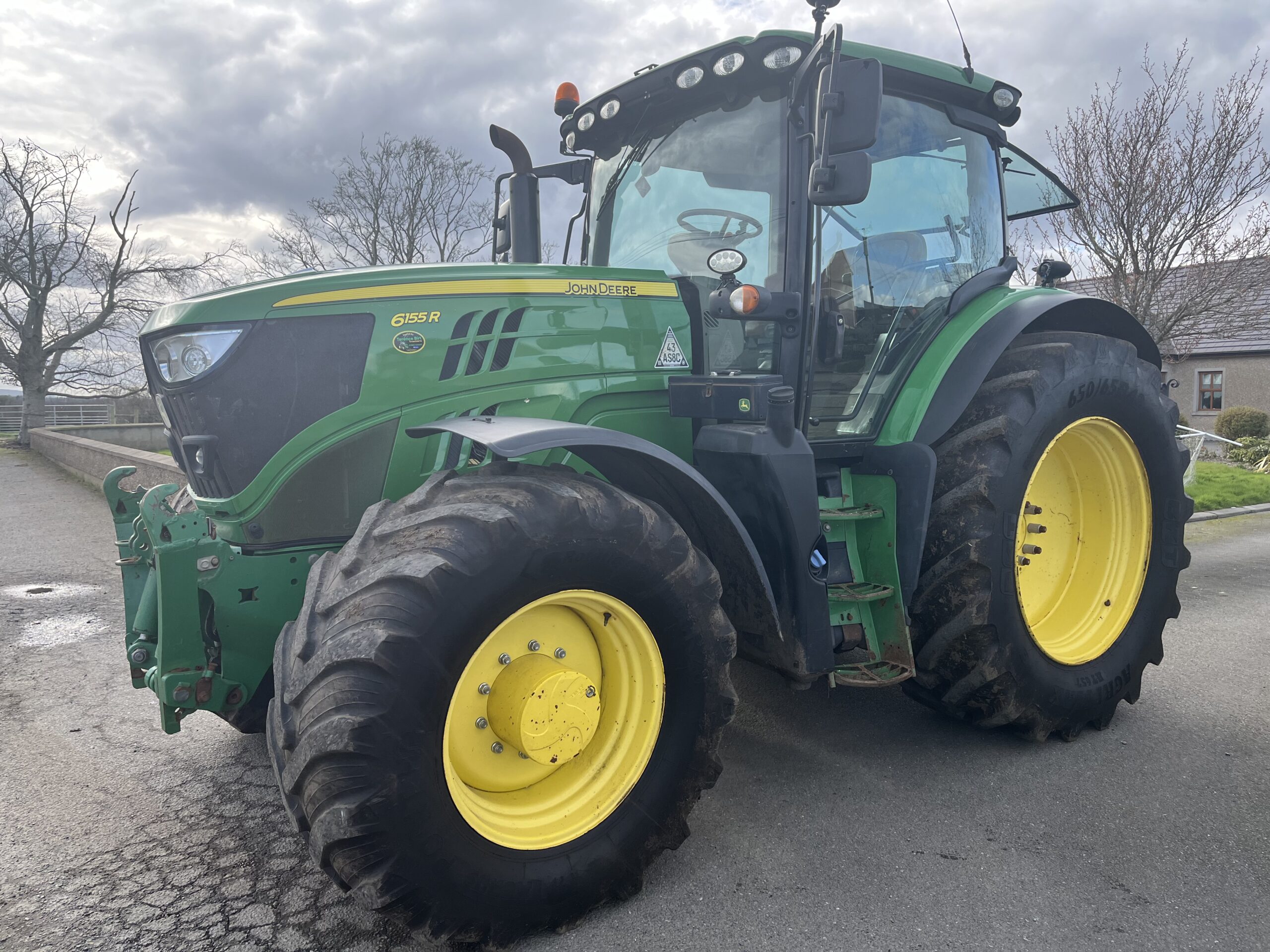
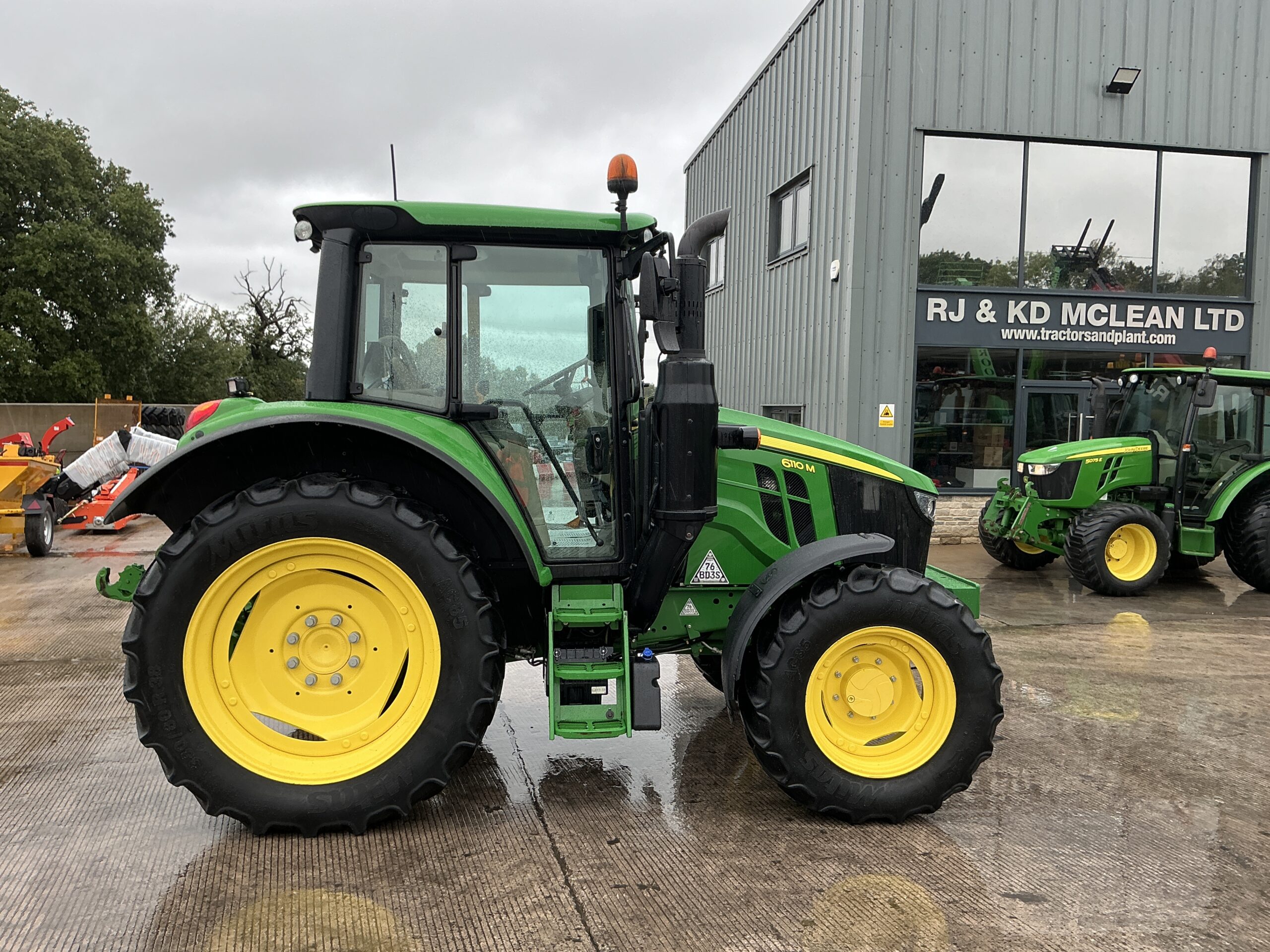
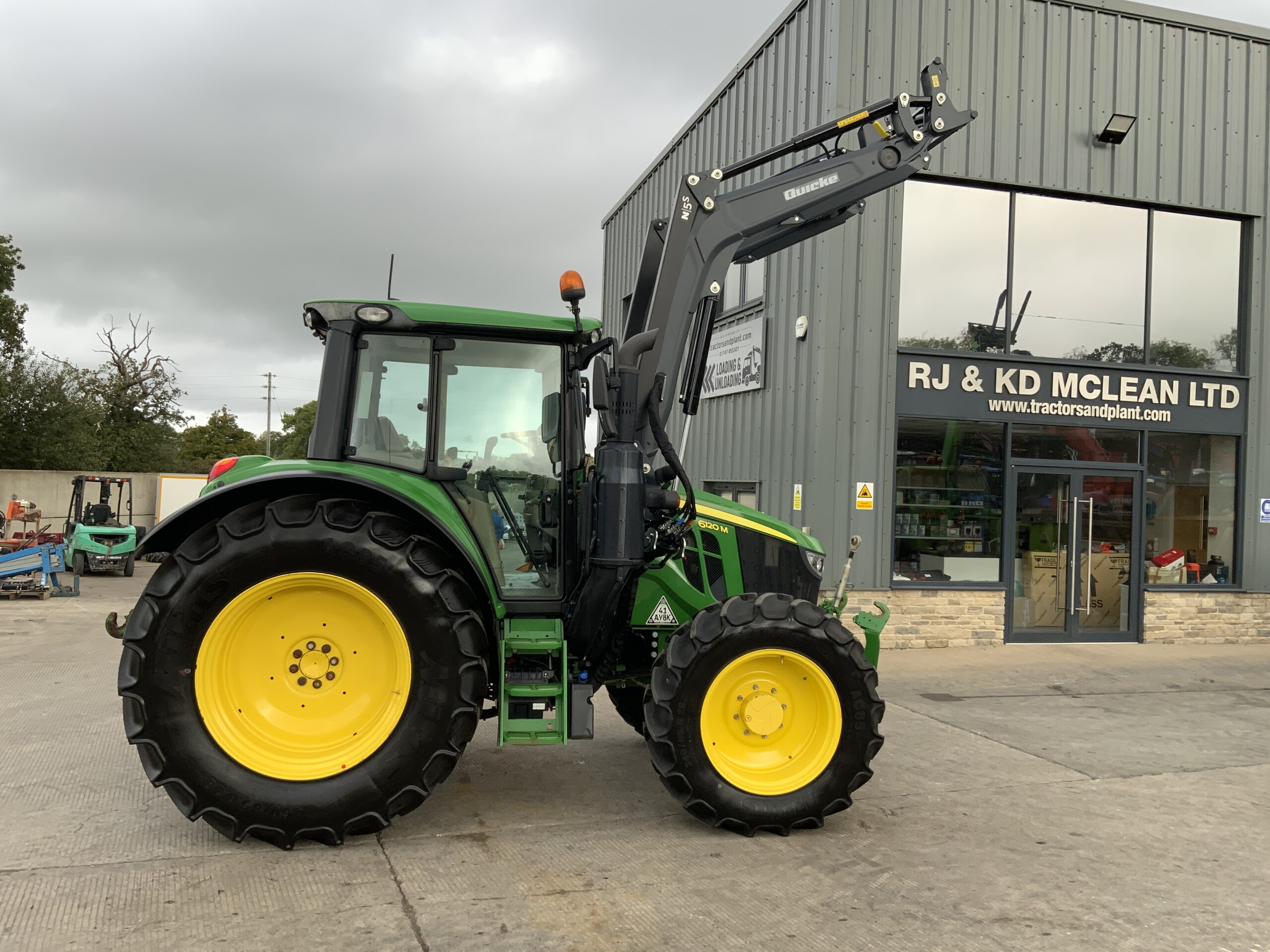
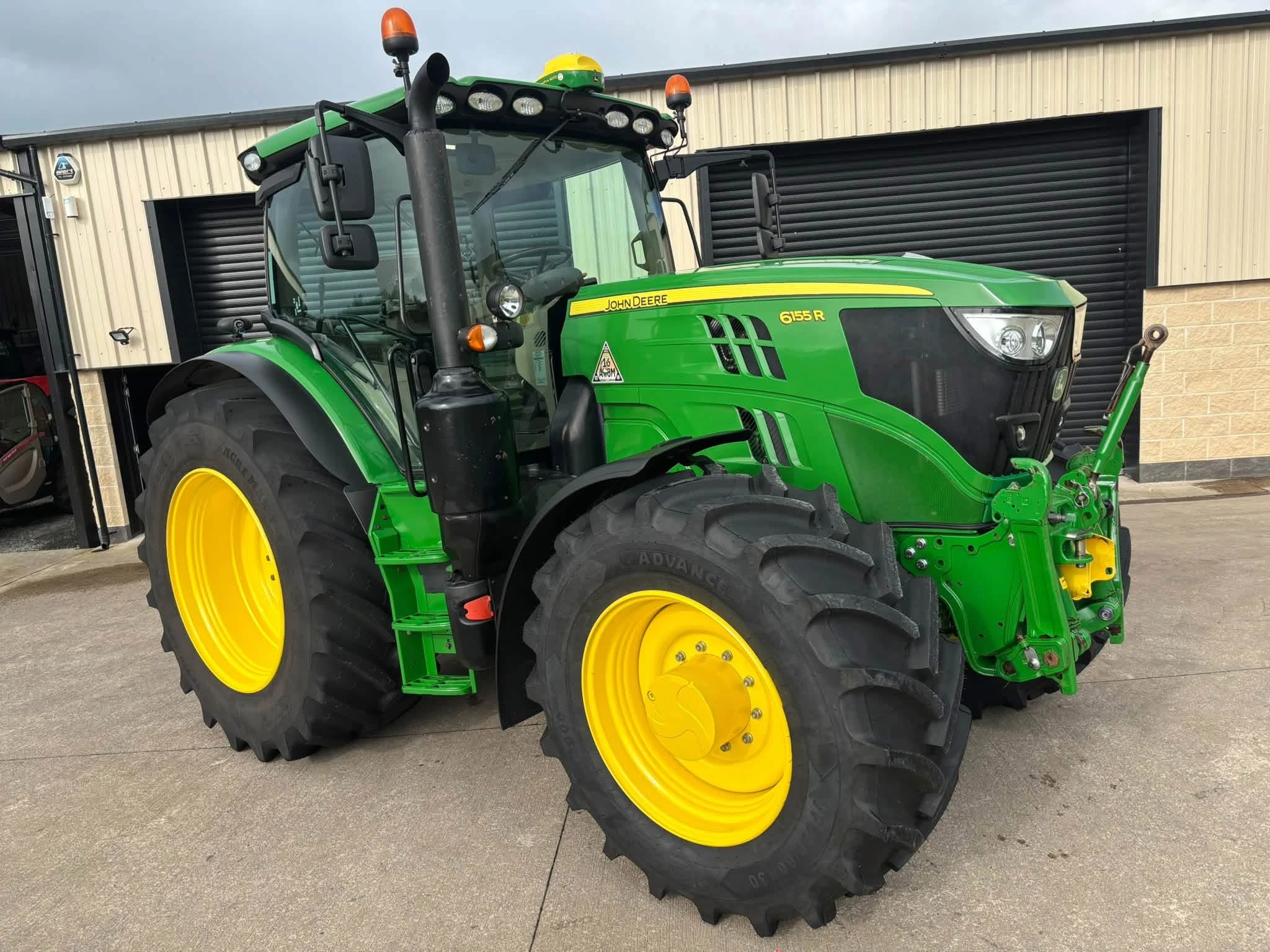
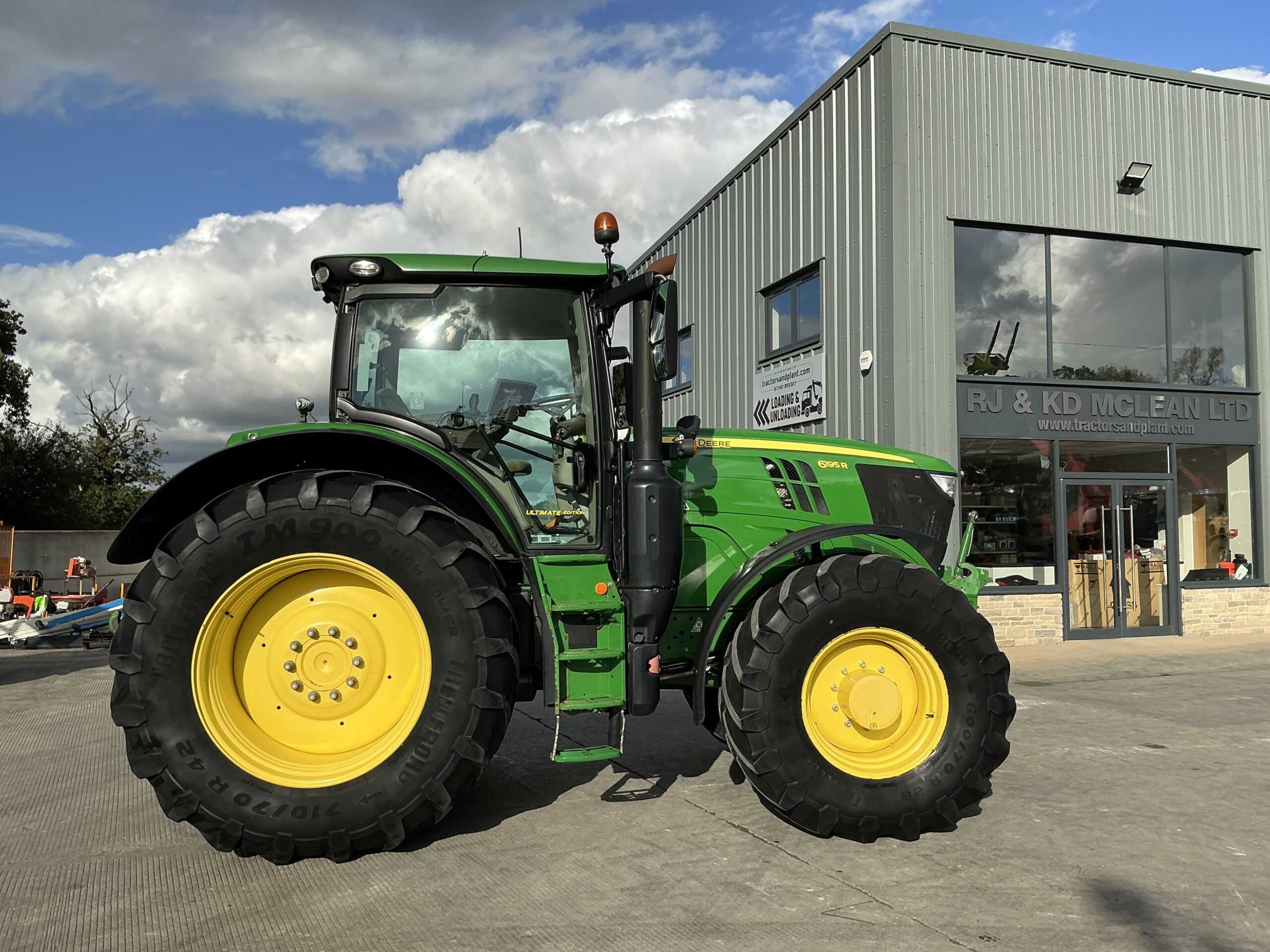
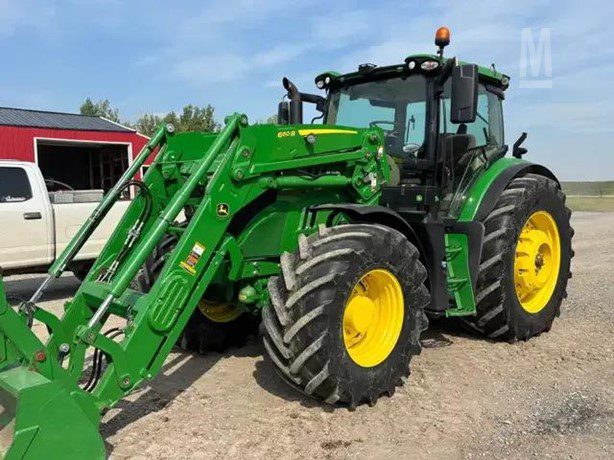
See all used tractors for sale
6R or 6M: what’s the difference?
The 6M is John Deere’s mid-spec, work-focused range: simpler cabs, mechanical or semi-powershift transmissions on most versions, and a price that suits livestock farms, contractors on loader work and anyone who wants a dependable all-rounder. The 6R sits above it as the premium range, usually with more cab comfort, more electronic control, an armrest-mounted control layout and a wider choice of transmissions including continuously variable options. Both ranges use John Deere PowerTech engines, four-cylinder in the smaller models and six-cylinder further up the range.
The model number gives you a rough guide to power: in most cases the last three digits are close to the rated horsepower, so a 6120M is around 120hp and a 6215R is around 215hp. Always check the exact figure for the year and spec you’re looking at, as ratings changed across generations.
What to check on a used John Deere 6R or 6M
Transmission
Find out exactly which transmission is fitted (PowrQuad, AutoQuad, CommandQuad, AutoPowr or DirectDrive, depending on model and year), because it affects price, running costs and how the tractor suits your work. On a test drive, go through every range and shuttle in both directions, check for hesitation or harsh changes, and ask whether the transmission has been calibrated and serviced on schedule.
Engine and emissions
Later 6R and 6M tractors run exhaust after-treatment, so ask about AdBlue use, the diesel particulate filter on models that have one, and any warning lights or fault codes. A dealer can read the fault history; ask for a printout.
Hours and service history
Check the hours on the dash against the service record and the condition of the pedals, seat and steps. Ask for dealer service invoices where possible.
Front axle, linkage and hydraulics
Look for play in the front axle and steering, wear in the linkage pins and bushes, oil leaks around the spool valves and rams, and how the loader (if fitted) holds under load.
Electronics and guidance
Many 6Rs are guidance-ready or have a screen and receiver fitted. Confirm what is included in the sale, whether activations are transferable, and that the display, armrest and joystick all work as they should.
Tyres and paperwork
Check tyre wear and matching sizes front to rear, and make sure the V5C (UK) or registration documents match the chassis number on the tractor.
Who buys a used 6R or 6M?
Dairy and beef farms buy them as main loader tractors, arable farms as secondary tractors for drilling, spraying and carting, and contractors for mowing, raking and haulage. Because so many were sold new in the UK and Ireland, parts and dealer support are widely available, which helps resale values.
Frequently asked questions
Is a used 6M or 6R better value?
It depends on the job. A 6M often makes more sense for loader and yard work where a simpler spec is enough; a 6R suits longer days in the seat, heavier field work and precision farming where the extra comfort and electronics earn their keep.
How many hours is too many on a John Deere 6-series?
There’s no single cut-off. A higher-hours tractor with a full dealer service history can be a better buy than a lower-hours one with gaps in its records. Judge the hours alongside the history, the condition and the price.
Can I get an alert when a new John Deere 6R or 6M is listed?
Yes. Set up a free stock alert and we’ll email you when matching tractors are added.
Can I sell my John Deere tractor on Plant And Tractor Trader?
Yes. Dealers and private sellers can list tractors on PTT. Read our guide to writing an advert that gets enquiries.
Related guides
- 10 tips for buying used machinery online
- How to sell used machinery in the UK and Ireland
- Importing used machinery from the UK to Ireland
- Used JCB 531-70 telehandlers for sale
Selling a John Deere? Advertise it on Plant And Tractor Trader, or call or WhatsApp Glyn on 07470 093663.