LOLER Inspections and Plant Repairs: What Every Machine Owner Needs to Know
If you own or operate lifting equipment, from an excavator to a telehandler to a forklift, two things are not optional: keeping it legal, and keeping it running. Get either wrong and the machine stops earning, or worse, someone gets hurt and you are the one answering for it.
This is the plain-English guide to both. What a LOLER inspection actually is, how often you need one, and how to get hold of plant repairs and mobile plant repairs when a machine goes down in the field.
What is a LOLER inspection?
LOLER stands for the Lifting Operations and Lifting Equipment Regulations 1998. In short, if a piece of equipment is used for lifting, the law says it has to be thoroughly examined at regular intervals by a competent person.
That covers a lot more than most people think:
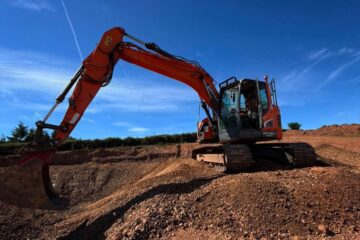
- Excavators and diggers when used for lifting or with a quick hitch
- Telehandlers and loading shovels
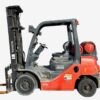
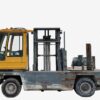
- Forklift trucks of every kind
- Cranes, hoists and lifting beams
- Chains, slings, shackles and lifting accessories
A LOLER inspection, properly called a thorough examination, is carried out by a competent person who checks the equipment is safe to keep using and issues a written report. It is not the same as a service, and it is not the same as a daily check. It is a legal requirement with real teeth behind it.
How often do you need one?
The intervals are set out in the regulations, and they catch people out, so they are worth knowing:
- Every 6 months for equipment used to lift people, and for lifting accessories such as chains and slings
- Every 12 months for other lifting equipment, such as a telehandler or a forklift used for goods
- After any exceptional circumstance that could affect safety, such as damage, a major repair, or a long period out of use
Miss the interval and you are operating illegally. If something goes wrong in that window, your insurance may not cover you and the liability lands squarely on you. It is not worth the risk, and a good inspection engineer will keep you on schedule so it never lapses.
The real cost of downtime
Now the other half. A machine that will not start, or a hydraulic ram that has let go, is a machine that is costing you money every hour it sits there. If it is on hire, the clock is still running. If it is on a job, the job is stood still and the rest of the site with it.
This is why mobile plant repairs matter so much. Getting a machine to a workshop is often the most expensive and slowest option, a low loader out, transport both ways, and days lost. An engineer who comes to the machine, in the field or on site, and fixes it where it stands, saves the transport, saves the time, and gets the machine earning again the same day more often than not.
Good mobile plant engineers handle:
- Hydraulic faults, hoses, rams and pumps
- Engine and electrical diagnostics
- Track and undercarriage work
- Welding and structural repairs
- Breakdowns, servicing and routine maintenance
- LOLER preparation and remedial work
The best of them do the inspections and the repairs both, so one relationship keeps your fleet legal and running.
How to find a good plant repair or LOLER engineer
Whether you need a scheduled inspection or you are broken down right now, the same things separate a good engineer from a bad one:
- Are they properly qualified and competent to carry out thorough examinations, not just handy with a spanner?
- Do they come to you? Mobile capability is worth a great deal when a machine is stuck.
- What is their response time on a breakdown? A next-week appointment is no use when a machine is down today.
- Do they know your kind of kit? Plant, agricultural, materials handling, they are different worlds.
- Are they local, or at least regional? Travel time is money, both in cost and in how fast they reach you.
The right answer is usually someone local, mobile, properly qualified, and quick to pick up the phone.
Find plant repairs and LOLER inspections near you
Plant And Tractor Trader lists plant repair and LOLER inspection specialists across the UK and Ireland, so when you need a machine looking at, whether it is a legal inspection due or a breakdown that needs sorting today, you can find someone who covers your area and your type of kit.
Browse plant repairs and LOLER inspection services here.
Keeping a machine legal and keeping it running are two sides of the same job. Get both handled by people who know what they are doing.
For plant repair firms and LOLER engineers: get found by the people who need you
Now the other side of this page, and it is worth reading if this is your trade.
Every machine owner reading the guide above has a machine that will need a LOLER inspection on a schedule, and will break down sooner or later. That is not a one-off. It is repeat, recurring work, the same customer coming back every six or twelve months for years. The only question is whether they find you or one of your competitors when the time comes.
Most of them start by searching. loler inspections near me. mobile plant repairs. plant engineer [their town]. If you are not showing up on those searches, that work is going to whoever is.
Getting listed on Plant And Tractor Trader puts your business in front of them. Around 30,000 machine owners, operators, hire firms and contractors visit the site every month, with 15,000 on the email list and 35,000 following across social. These are precisely the people who need inspections and repairs, and they are already here looking. A profile works quietly in the background, getting found on the searches that turn into booked work, for a fraction of what the same reach costs anywhere else.
Find out about advertising your plant repair or LOLER business →
And if your website is holding you back
A lot of good plant and repair engineers are brilliant at the work and badly let down online. An old website that does not work on a phone, or no website at all beyond a Facebook page, means that when a machine owner searches for exactly the service you offer, they find three competitors before they find you. It is a quiet, invisible cost, and most firms never see it on a spreadsheet.
It does not have to be that way, and sorting it does not cost the earth. Through Plant And Tractor Trader and Webdigital Works, we build proper websites for the plant, agricultural and machinery trades, sites built to be found on Google and to turn a visitor into a phone call. We understand this industry because we work in it every day.
See our website design and digital marketing services →
Whether you want a listing, a website, or both, the aim is the same: to get your business in front of the people already looking for exactly what you do.