Owning a Classic Tractor: Running and Restoration Costs
Owning a classic tractor costs more than the price you pay for it. The running costs come down to servicing and fluids, tyres, wear parts such as clutches, brakes and hydraulic seals, parts supply, insurance and road use, and storage. On top of that sits the big question of whether you keep it working as it is or pay for a restoration or rebuild. This guide explains what drives each cost for older tractors such as the David Brown 1494, Ford 6810 or Massey Ferguson 398, so you can budget before you buy. Browse used tractors for sale on Plant And Tractor Trader.
What counts as a classic tractor?
There is no fixed rule. For most buyers a classic tractor is an older model, often from the 1970s, 1980s or early 1990s, that is simple to work on and still earns its keep on a farm, smallholding or estate. Some are working machines for yard work and topping; others are for shows or restoration. The costs of owning a classic tractor depend a lot on which of those you want it for.
Servicing and fluids
Older tractors are mechanically simple, which is a big part of the appeal. Routine servicing covers engine oil and filters, fuel filters, the air filter, transmission and hydraulic oil, coolant and greasing. Get the operator’s manual or a workshop manual for your model, as it gives the service intervals and the correct oil grades. Some older tractors share one oil between transmission and hydraulics, so use the grade the manual gives.
Many classic tractor owners do their own servicing, which keeps costs down. If you pay a mechanic, keep the receipts, as a service record also helps when you come to sell.
Tyres
Tyres are often one of the larger single costs on an older tractor. Rear tyres on a classic may be old even if the tread looks fine. Look for cracking in the sidewalls and between the lugs, and check the date codes and that the rears match. On the road, perished tyres need sorting first.
Wear parts: clutch, brakes, hydraulics and PTO
These are the parts that wear with use and cost the most when they go:
- Clutch: a slipping or juddering clutch usually means splitting the tractor to replace it, so labour can be the bigger part of the bill.
- Brakes: check they pull up evenly on both sides and that the handbrake holds. Road use makes this a safety issue, not just a cost.
- Hydraulics: slow lift, the linkage dropping with a load on it, or leaks from rams and pipes point to worn seals or a tired pump.
- PTO: make sure it engages, runs and disengages cleanly.
Our guide to buying a used tractor covers these checks in more detail.
Parts supply for older tractors
Parts are usually easy to find for popular models such as David Brown, Ford and Massey Ferguson tractors, from pattern parts suppliers, specialist classic tractor parts sellers and breakers. Rarer models can be harder to source. Before buying an unusual model, check filters, clutch parts and seals are still available. You can find tractor parts in our parts listings.
Insurance, road use and transport
Even a yard-only tractor should be insured. If you use it on the road, it needs to be registered, taxed in the right class, insured for road use and roadworthy, with working lights and brakes. Check with the DVLA which tax class applies to your tractor and how you plan to use it. Read our guide to insuring plant and machinery for the basics.
Buying from a distance? Add the cost of a haulier or a plant trailer to get it home.
Storage
A classic tractor kept under cover lasts far longer than one left outside, where rain and frost get into the electrics and tinwork. For occasional use, a dry shed, a battery conditioner and running it up regularly will save on repairs later.
Restoration or rebuild: the biggest cost of owning a classic tractor
The biggest decision when owning a classic tractor is how far to go with it. There are three broad routes:
- Keep it working: fix faults as they appear and keep it serviced. Usually the cheapest route.
- Rolling restoration: keep using it while you put right one area at a time, such as the brakes one winter and the paintwork the next.
- Full restoration or rebuild: strip it down, rebuild the engine, transmission and hydraulics as needed, and repaint. This costs the most in parts, labour and time.
What a rebuild costs depends on the model, the condition, parts prices and whether you do the work yourself or pay a specialist. Get a written quote that lists the work, and set aside a contingency for what turns up once the tractor is stripped. A tidy, running example can cost less overall than a cheap project. If you need to spread the cost of buying, see our guide to tractor and plant finance.
Frequently asked questions
Is a classic tractor expensive to run?
A well looked after classic tractor can be cheap to keep going, because it is simple and many owners do their own servicing. The costs rise when tyres, the clutch, brakes or hydraulics need attention, so check those before you buy and budget for them.
Can I still get parts for an old David Brown or Ford tractor?
For popular models such as the David Brown 1494 or Ford 6810, parts are usually available from pattern parts suppliers, classic tractor specialists and breakers. Rarer models can be harder to source, so check parts supply before you commit.
Should I restore a classic tractor or buy one already done?
It depends on your budget, your skills and how much time you have. Restoration costs can grow once the tractor is stripped, so a good running example can work out cheaper if you want to use it straight away.
Find a classic tractor, or sell yours
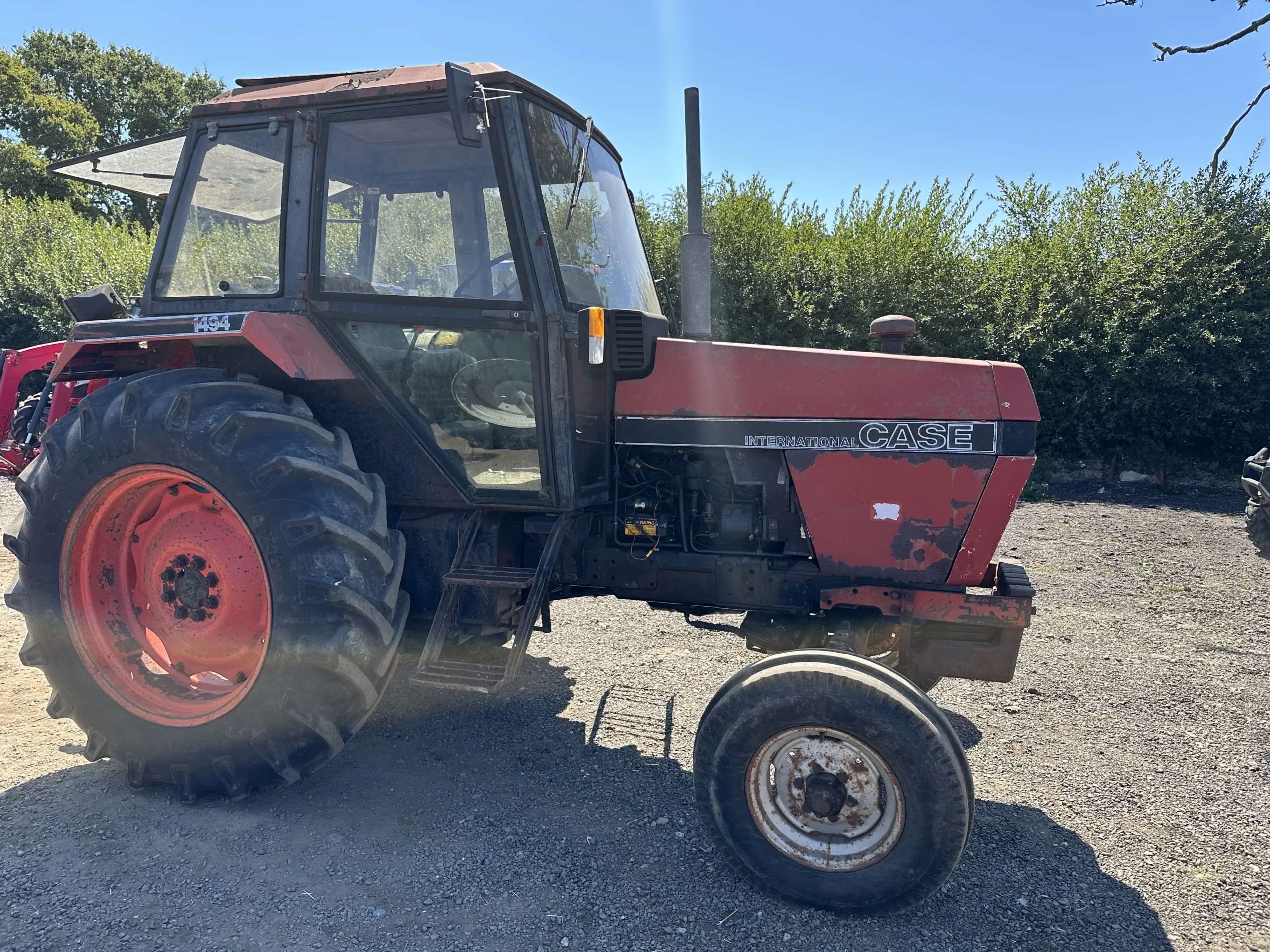
Browse tractors from UK and Irish dealers, such as this Case International 1494 2WD, this Ford 6810 4WD and this 1991 Massey Ferguson 398 with loader. Add a topper or mower to put it to work, and set up stock alerts so you hear when the right tractor is listed.
Selling? Dealers can list unlimited machines for £100 + VAT a month with unlimited listings, or book a single listing for £150 + VAT for 8 weeks. We also build dealer websites from £750 + VAT.
Questions? Call or WhatsApp Glyn on 07470 093663.