Exporting Used Machinery from the UK to Australia and New Zealand
Australia and New Zealand both drive on the left, so right-hand drive tractors, telehandlers and trucks from UK and Irish dealers suit farmers and contractors there. Both countries also have some of the strictest biosecurity rules in the world for used machinery. A machine that arrives with soil in the wheel rims or seeds in the radiator can be held, re-cleaned at the buyer’s cost or sent back. This guide covers what buyers in Australia and New Zealand need to know before buying a used machine from the UK, and what UK sellers should do before it is loaded.
Why buyers in Australia and New Zealand look at UK machinery
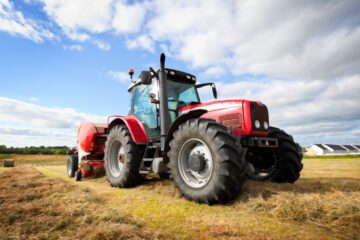
The UK has a large used market for tractors, plant and farm machinery, with stock coming out of farms, contractors and hire fleets every week. Many dealers listing on Plant And Tractor Trader already load for export. You can browse used tractors for sale and used excavators for sale, then contact the seller straight from the listing with no buyer fees. Our general guide to buying used machinery from the UK for export covers checking a machine from a distance and paying safely.
Australia: the rules for used machinery
It must arrive free of biosecurity risk material
According to the Australian Department of Agriculture, Fisheries and Forestry, all used machinery must enter Australia free of biosecurity risk material such as soil, seeds and plant or animal material, and it must be declared and inspected. New machinery that has been field tested also counts as used. Cleaning has to reach every place where dirt can lodge, and the department says this can mean taking parts of the machine off.
If inspectors find a small amount of contamination on arrival, the machine is sent for further cleaning at an approved site. If it is heavily contaminated, it can be ordered out of Australia at the owner’s or importer’s expense. The department’s machinery cleanliness page has photos of the places inspectors check.
Places that catch out exporters
- Wheel rims, the gap between dual wheels, and around axles and brakes
- Buckets, loader frames and hollow box sections
- Welded plates, tipper bodies and chassis crevices
- Battery boxes, tool boxes and the fuel tank
- Grease and oil build-up, which holds dirt and should be steam cleaned off
- Radiators, engine bays and cab floors, which can hold seeds and chaff
Asbestos: zero tolerance
Australia banned all forms of asbestos from 31 December 2003, and that includes asbestos in imported goods. The Australian Border Force says gaskets and brakes are the parts most often found to contain it. If Border Force suspects asbestos, the importer has to arrange testing at their own cost and the machine is held until the results come back. Goods found to contain asbestos can be seized. For older tractors and plant, ask the dealer what is known about the gaskets, brake linings and clutch, and consider having parts tested by an accredited laboratory before shipping. See the Australian Border Force asbestos guidance.
Brown marmorated stink bug season
Australia applies extra measures against the brown marmorated stink bug to some sea cargo shipped between 1 September and 30 April. For the 2026–27 season the department lists the United Kingdom as an emerging risk country: eligible goods may get a random inspection, but treatment is not required. The measures are reviewed every season, so ask your shipping agent which rules apply on your sailing date.
Tariffs
The Australia–UK Free Trade Agreement came into force on 31 May 2023, removing tariffs on most UK goods straight away. To get the zero tariff, the goods have to qualify as UK origin. A used machine built in the UK may qualify, but one built in Japan, Germany or the US and sold through a UK dealer may not, so check the origin position with a customs broker before you agree the price. GST is also charged on imports.
New Zealand: the rules for used machinery
New Zealand’s Ministry for Primary Industries (MPI) sets the import rules for vehicles, machinery and parts, including tyres. MPI says importers of used vehicles, used outdoor machinery and used parts should expect an on-arrival inspection of the outside and inside of the machine. As with Australia, the machine has to be clean, and MPI also has its own brown marmorated stink bug requirements. Start with MPI’s steps to importing vehicles, machinery or parts.
The New Zealand–UK Free Trade Agreement also came into force on 31 May 2023 and removes tariffs on UK goods that prove UK origin. According to the UK government’s market guide, GST in New Zealand is 15%.
What UK sellers can do to help
A dealer who prepares a machine properly makes the sale easier and protects their name with overseas buyers.
- Wash it properly. A quick jet wash is not enough. Steam clean the undercarriage, wheel rims, loader, bucket and engine bay, and vacuum the cab.
- Keep it clean until loading. Store it on hard standing under cover so it does not pick up mud or bird nests before it goes in the container.
- Take photos after cleaning. They help the buyer and the shipping agent, and show the state the machine left in.
- Be open about old parts. If a machine is old enough that gaskets or brake linings might contain asbestos, say so and let the buyer decide on testing.
- Fix worn parts before cleaning. If a mini digger needs new rubber tracks anyway, fitting them before the final wash saves cleaning the old ones. Cheapest Rubber Tracks quotes for tracks with UK delivery.
Shipping and paperwork
Smaller tractors and mini diggers often go in a container or on a flat rack. Larger plant and trucks often go roll-on roll-off. A shipping agent can quote for collection from the dealer, cleaning, port charges, freight and customs paperwork at both ends. You can find machinery shippers in our Shipping and Export Services section. Ask each one who is responsible if a machine fails inspection on arrival, and who pays for re-cleaning.
Before you pay, check the machine as you would at home. Our guide to buying a used excavator lists the undercarriage, pin and hydraulic checks to ask the dealer to film.
Frequently asked questions
Can I import a used tractor from the UK into Australia?
Yes, but it must be declared, inspected and free of soil, seeds and plant or animal material. A contaminated machine can be re-cleaned at your cost or ordered out of the country. It must also contain no asbestos.
Does New Zealand inspect used machinery from the UK?
MPI says importers of used vehicles, outdoor machinery and parts should expect an inspection on arrival, inside and out. Clean the machine thoroughly before it is loaded.
Is there import duty on UK machinery going to Australia or New Zealand?
Both countries have free trade agreements with the UK that came into force on 31 May 2023 and remove tariffs on goods that qualify as UK origin. Machines built elsewhere may not qualify. GST is charged on imports in both countries.
Who pays if the machine fails inspection?
Under the Australian rules the owner or importer pays for further cleaning or re-export. Agree in writing with the dealer and your shipping agent who covers what before the machine is loaded.
Find a machine for export
Browse used tractors, plant and trucks from UK and Irish dealers on Plant And Tractor Trader and contact the seller direct. Can’t see the right machine? Post a free wanted request and we will send it to dealers with matching stock. Questions about buying for export to Australia or New Zealand? Call or WhatsApp Glyn on +44 7470 093663.
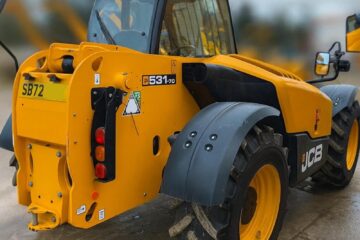
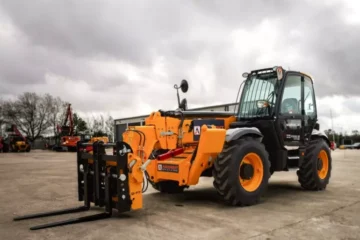
Popular searches: used JCB 3CX, JCB 531-70, JCB 540 Loadall, John Deere 6R & 6M, DAF LF, Volvo FH. See all models.