Buying Used Tractors and Plant from the UK for Export: A Buyer’s Guide
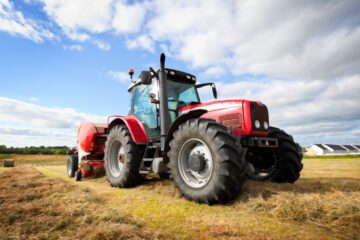
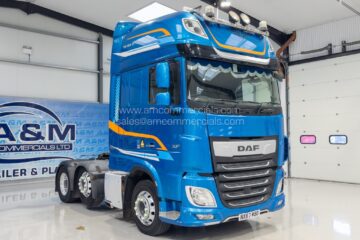
Used tractors, diggers, telehandlers and trucks from UK and Irish dealers are bought by farmers, contractors and traders all over the world. Right-hand drive suits some markets, plenty of machines come with dealer service histories, and many UK dealers are used to loading for export. This guide explains how overseas buyers can find the right machine on Plant And Tractor Trader, what to check before paying, the plant health rules for used farm machinery, and how to get it shipped.
Why buy used machinery from the UK and Ireland?
The UK and Ireland have a large, active used market for plant, tractors and commercial vehicles, with machines coming out of farms, contractors and hire fleets every week. Many dealers listing on Plant And Tractor Trader say in their adverts that they can help with export enquiries, including loading onto transport. Right-hand drive tractors and trucks also suit buyers in other right-hand drive countries.
Browse current stock in used tractors, used excavators, telehandlers and farm equipment, or look through the full list of dealers.
Step 1: Find the machine and talk to the dealer
Every listing on Plant And Tractor Trader puts you straight in touch with the seller by phone, WhatsApp or email, with no buyer fees. When you enquire from overseas, ask the dealer:
- Whether the price includes or excludes VAT, and how VAT is handled on an export sale. The answer depends on how the machine leaves the country, so check with the dealer and your own adviser.
- Whether the price is in pounds or euro. Some Irish dealers list in euro.
- Whether they have exported before and can load onto a container, flat rack or RoRo trailer.
- For the serial number, year, hours and any service records.
Can’t see what you want? Post a free wanted request, or set up stock alerts for one free email a week of new machines.
Step 2: Check the machine before you pay
Buying from a distance means relying on photos, videos and paperwork, so ask for more than you would in person.
Ask for a walkaround video
A video of a cold start, the machine moving, the hydraulics working and close-ups of the wear points tells you far more than still photos. For a tractor, ask to see the linkage, PTO, spools and tyres. For an excavator, ask for the undercarriage, slew, pins and bushes, and the boom and dipper working.
Consider an independent inspection
For higher-value machines, many buyers pay a local engineer or inspection firm to look at the machine before money changes hands. Agree with the dealer in writing what happens if the inspection finds a problem.
Check the paperwork
Ask for proof of ownership, an invoice showing the serial number, and confirmation there is no outstanding finance. Check that the serial number on the machine matches the documents.
Our buying guides cover the checks in detail: buying a used tractor and buying a used excavator.
Step 3: Plant health rules for used farm machinery
Machinery that has worked on farms or in forestry can carry soil, seeds and plant debris, so many countries control how it comes in. According to DEFRA’s UK Plant Health Information Portal, used agricultural and forestry machinery going from Great Britain to the Republic of Ireland or other EU countries needs a phytosanitary certificate. That covers already-used tractors, ploughs, cultivators, drills, balers, combines and forestry machines.
The key points from the DEFRA guidance:
- It must be clean. The machine has to be washed so it is visibly free of soil and debris, including the underside, wheel arches, axles, hydraulic pipes, PTO and any panels or edges that can trap soil. Cabs should be vacuumed and swept.
- It is inspected before export. A plant health inspector checks the machine, which must already be cleaned and ready. If it fails, a re-inspection costs extra.
- The exporter must be based in Great Britain, and the certificate names both the exporter and the importer.
- It must stay clean between the inspection and loading.
- Northern Ireland has its own route. Machinery for use in Northern Ireland can move under the Northern Ireland Plant Health Label scheme, but machinery going on to the Republic of Ireland or the EU via a Northern Ireland port needs the full phytosanitary certificate.
New machinery is not covered by these EU plant health conditions. For countries outside the EU the rules vary, so ask the plant protection authority in the importing country what it needs before the machine is cleaned and inspected. Your dealer or shipping agent will usually know the process for common destinations.
Step 4: Shipping and customs
How a machine travels depends on its size and destination. Smaller machines and tractors often go in a container or on a flat rack, while larger plant and trucks often go roll-on roll-off (RoRo). A specialist shipping firm can quote for collection from the dealer, port charges, sea freight and customs paperwork.
Machinery shipping firms are listed in our Shipping and Export Services section, and hauliers for the trip from the dealer’s yard to the port are in Haulage and Transport. Ask each one what is included, who handles customs clearance at both ends, and how the machine is insured in transit.
You will also need the correct commodity code for customs. Check the code and any import duty with the customs authority or a customs agent in your country before you buy, so the landed cost holds no surprises.
Step 5: Pay safely
Only pay a business you have checked. Look at the dealer’s seller page and own website, speak to them on the phone, and pay by bank transfer to a business account in the dealer’s name. Be wary of bank details that change by email at the last minute, and confirm any change by phone on a number you already trust.
Frequently asked questions
Can I buy a used tractor from a UK dealer if I live overseas?
Yes. Many dealers listing on Plant And Tractor Trader sell to overseas buyers. Contact the dealer directly from the listing, agree the price, VAT position and loading, and arrange shipping with a specialist firm.
Does a used tractor need a phytosanitary certificate to go to Ireland or the EU?
According to DEFRA, used agricultural and forestry machinery going from Great Britain to the Republic of Ireland or other EU countries needs a phytosanitary certificate. The machine must be cleaned free of soil and inspected before export.
Who arranges shipping?
Usually the buyer, through a shipping or freight firm, though some dealers can help with loading and recommend firms they have used. Agree in writing who is responsible for each stage.
Find your next machine
Browse used tractors, plant, trucks and farm machines from UK and Irish dealers on Plant And Tractor Trader, contact the seller directly, and pay no buyer fees. Questions about buying for export? Call or WhatsApp Glyn on 07470 093663.